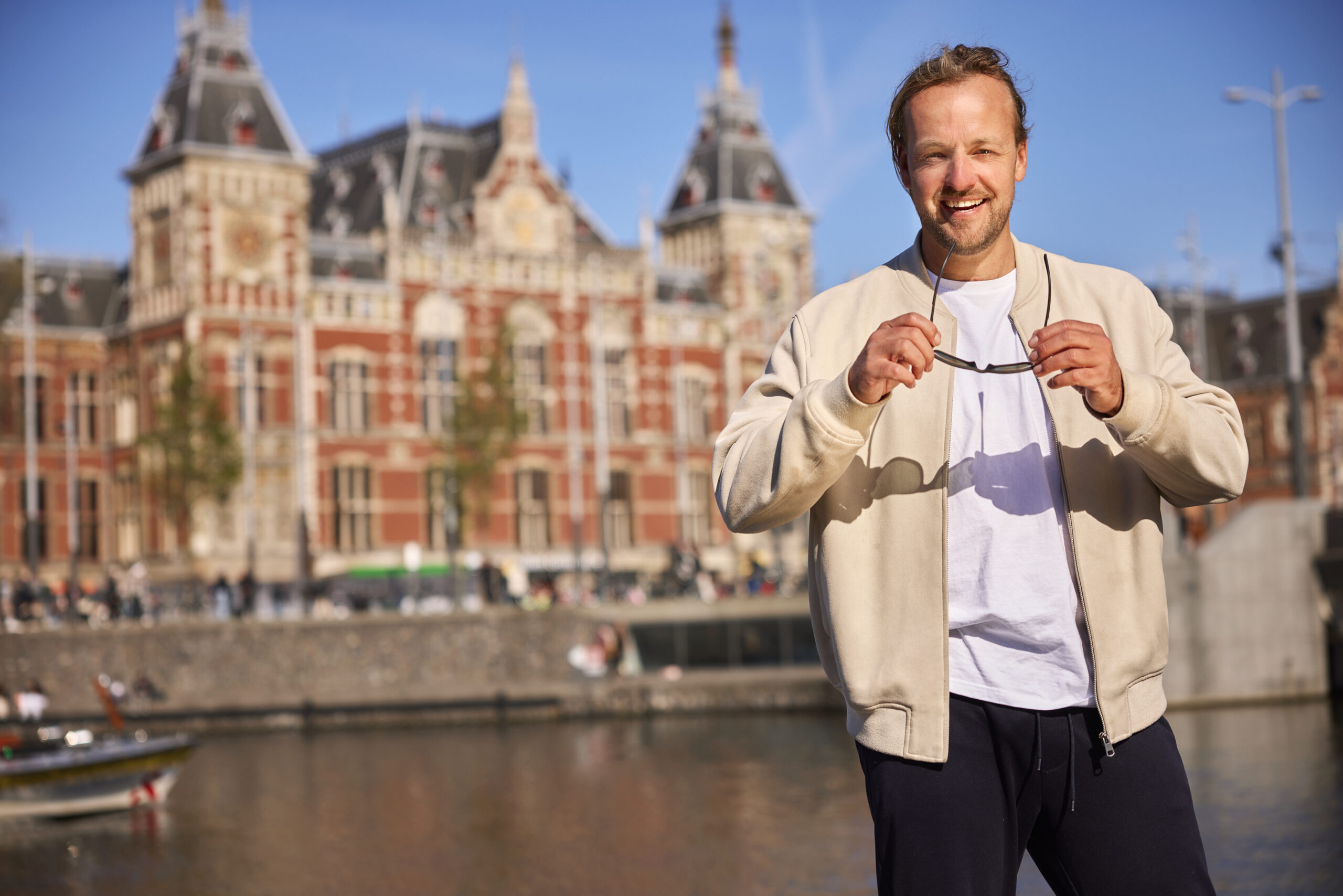

Amsterdam is not the first place people think of when they think of chocolate. Yet only in the Netherlands you’ll find adult men like myself cover their sandwich with chocolate sprinkles or ‘hagelslag’. The cacao bean is originally from Central America, the Praline or bonbon was invented in Brussels, Belgium just over a century ago and the cow’s milk from the Alpine meadows is so rich it forms a great base for the famed chocolate from Switzerland. Yet, Amsterdam played a key role in all of it, which no one seems to remember. Enter Ralph Deckers, who will tell you all about Amsterdam’s Chocolate Story. No claim to Chocolate’s fame without Amsterdam.
From the Caribbean to the Canals – the Early trade
The first recorded introduction of Europeans to cacao beans was during Christopher’s Columbus fourth voyage in 1502. His men captured a Maya trading canoe near present day Honduras. When dropped, the Maya’s picked up the beans with great respect, symbolizing money. Hence the populations in central America by that time had used cacao bean for centuries, if not millenia.
Two decades later, Hernan Cortez witnessed a royal ceremony of cacao drinking at the Aztec capital Tenochtitlan, present day Mexico city. Bernal Díaz del Castillo, one of his soldiers, noted:
“They served him cups of chocolate… more than fifty jars, and it was said to give energy for the ladies.”
This was the first description of a chocolate drink, before it became a sweet. In the 1540s, When bags of cacao beans were first brought to Spain, people did not know what to do with them. A letter from a Spanish noblewoman in the 1550s described chocolate as:
“A strange drink, dark and not pleasing, but refreshing and much esteemed in the Indies.”
The key? Sugar had not yet been added. Once Spaniards sweetened it, cacao became a courtly luxury. By the early 17th century, chocolate was described in European cookbooks — mostly as a medicinal drink. A 1604 Spanish text calls cacao: “The Indian drink that warms the stomach and strengthens the body.” It was still considered exotic and powerful.
As chocolate slowly conquered the Spanish court in the 1500s and 1600s, it’s journey into wider Europe depended on one thing: international trade. And this is where the Dutch enter the story. By the early 17th century, the Netherlands had become one of the world’s leading maritime powers, which was fighting a war against the Spanish Monarch and his empire, with Amsterdam as its beating commercial heart.
CACAO
The word comes from the Nahuatl word cacahuatl, used by the Aztecs to describe the beans made into their ceremonial chocolate drink. The Maya used a similar term, kakaw, which appears in hieroglyphs dating back more than 1,500 years. When Spanish explorers encountered the beans in the 1500s, they adapted the Indigenous word into “cacao,” the form that later spread across Europe.
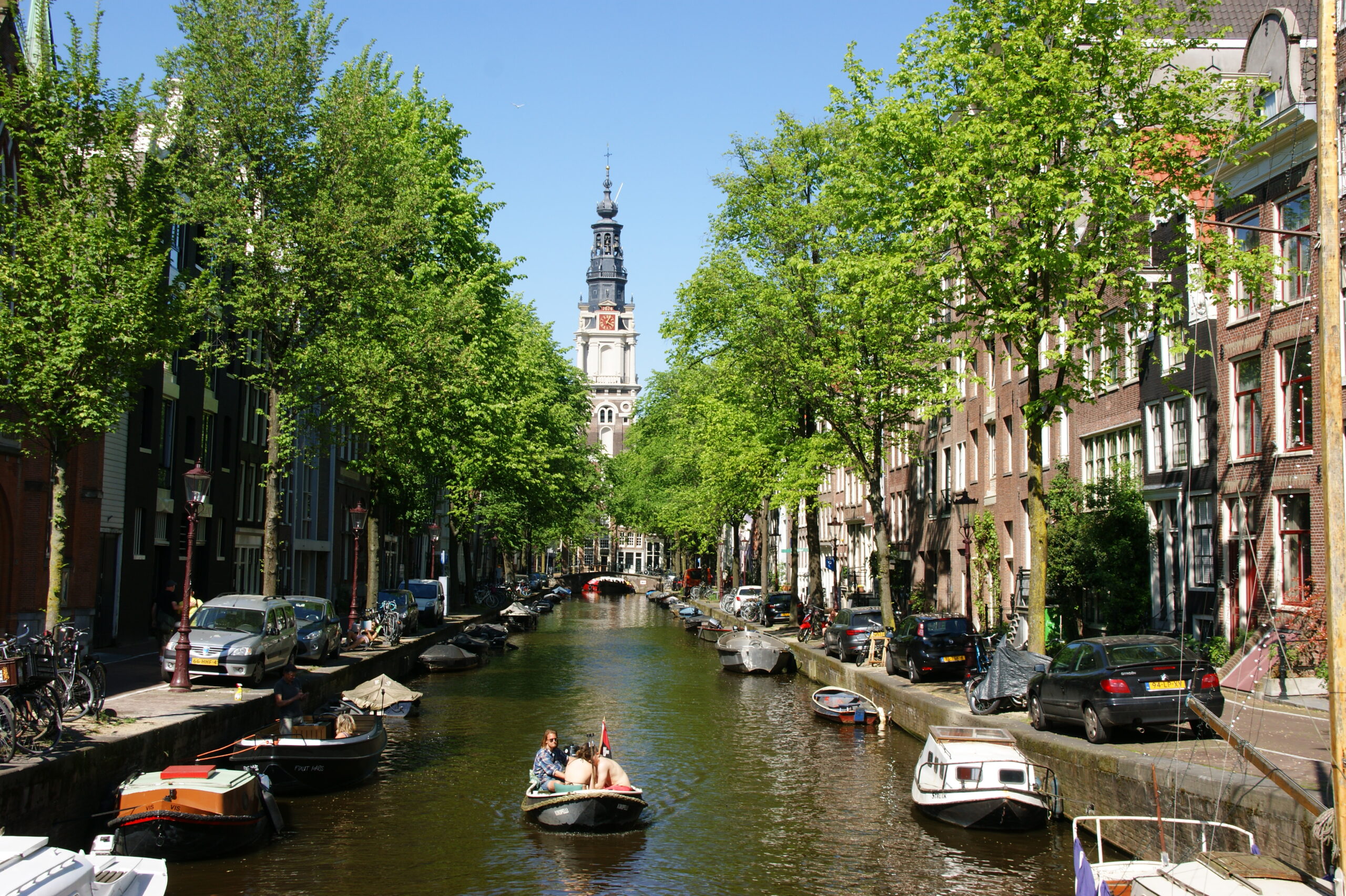
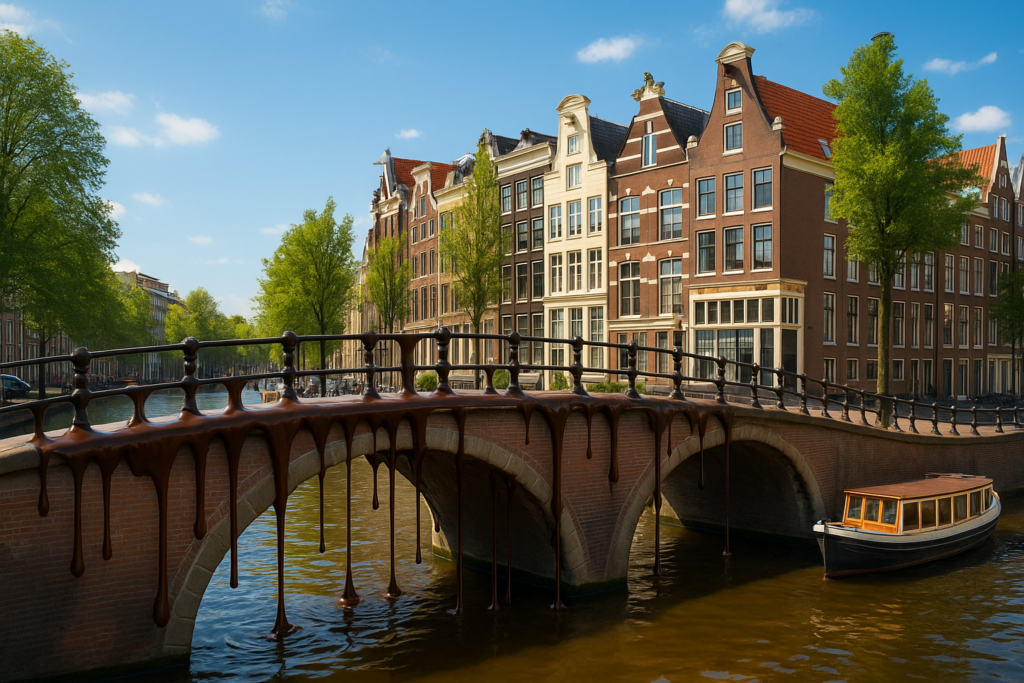
When the Dutch captured key trade routes in the Caribbean (Curacao, Sint-Maarten and others) and South America (Brasil), cacao beans began arriving in Amsterdam’s bustling port. Merchants stored them in the city’s warehouses, financiers insured them, and traders re-exported them across Europe. What had once been an exotic drink in Aztec palaces was now flowing through Amsterdam’s canals—quietly transforming the city into the gateway of cacao. From here, the Dutch didn’t just trade chocolate; they revolutionised it, eventually giving the world Dutch cacao and the industrial techniques that shaped modern chocolate culture.
CHOCOLATE
The word chocolate traces its roots back to the ancient cultures of Mesoamerica, where the cacao tree was first cultivated. The Maya called their rich, bitter drink “xocolātl”, meaning bitter water, a nod to the spiced cacao beverage they prepared for ceremonies, trade, and daily life. When the Aztecs adopted cacao, they used a similar word, “chocolātl,” blending xococ (bitter) with atl (water). Spanish conquistadors, encountering both the drink and its name in the 16th century, adapted it into “chocolate”, a form that suited their own tongue while preserving the sound of the original Nahuatl language. From there, the word traveled across Europe, carried by merchants, explorers, and eventually industrial producers like the Dutch, who transformed cacao into the chocolate we know today. Though its taste has changed dramatically, the name still carries the echo of its beginnings: a sacred, bitter drink from the tropical forests of the Americas.
The Zaanstreek – the world’s first industrial area
How Amsterdam became a global cacao hub
The Zaanstreek is one of the world’s earliest industrial regions, where at one point six hundred windmills powered production long before the steam engine arrived. By the 17th century, the area had become a center for grinding grain and spices, pressing oils, wood cutting, and processing cacao brought in by Dutch merchant ships. Its mills transformed raw cacao beans into the powders and pastes that supplied Amsterdam’s growing chocolate trade. The region thrived because wind power allowed producers to work faster, cheaper, and more consistently than almost anywhere else in Europe.
Over time, these early innovations helped establish the Netherlands as a major player in global food processing. Even today, traces of that heritage remain in the landscape and in local factories that continue the tradition of cacao and food production. The Zaanstreek shows how wind, trade, and craftsmanship turned a small Dutch region into a powerhouse of early industrial innovation.
Dutch Chemist Johannes van Houten
The breakthrough that reshaped the entire chocolate world came from the Dutch chemist Coenraad Johannes van Houten, who in 1828 invented both the cacao press and the alkalization process. His hydraulic press separated cacao butter from the cacao mass, creating a fine, low-fat cacao powder that dissolved more easily and could be used in baking, drinks, and later, in chocolate bars. Van Houten then introduced “Dutching,” an alkalizing technique that treated cacao with alkaline salts, producing a smoother flavor, richer color, and far less bitterness.
These two inventions made chocolate more affordable, more versatile, and far more consistent in quality, laying the foundation for industrial chocolate production worldwide. In many ways, modern chocolate begins with Van Houten — a Dutch innovation that quietly revolutionized how the world tastes cacao.
Dutch Cacao vs. Belgian Pralines — What’s the Difference?
Dutch cacao and Belgian pralines reflect two distinct chapters in European chocolate history. The Netherlands became the world’s center of industrial cacao processing, especially after Van Houten’s cacao press invention and alkalization process discovery which together transformed raw cacao into a smooth, versatile ingredient. Much of this trade passed through Amsterdam, which grew into one of Europe’s key entry ports for raw cacao beans. Amsterdam today is still one of the largest cacao harbors in the world.
Belgium, on the other hand, developed the tradition of pralines and bonbons, beginning in Brussels in 1912, when Jean Neuhaus created the first filled chocolate praline. Where the Dutch perfected the engineering and processing of cacao, the Belgians elevated the final product into a form of craftsmanship and luxury. Together, they shaped Europe’s chocolate identity from raw bean to refined indulgence. Go and visit one of the Neuhaus establishments in Brussels, you won’t regret it.
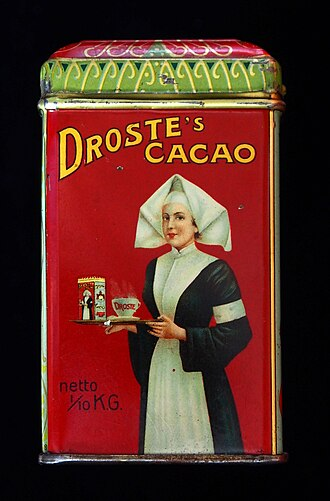
Dutch Chocolate Icons: Verkade, Droste & the Nation’s Love for Hagelslag
The Dutch chocolate story wouldn’t be complete without mentioning two of the country’s most beloved brands: Verkade and Droste. Founded in the late 19th century, Verkade became famous for its affordable chocolate bars and its beautifully illustrated collectible tins, which turned everyday sweets into treasured household items. The company grew rapidly thanks to industrial innovation in the Zaanstreek, where windmill-powered factories once processed cacao for half of Europe.
Droste, founded in 1863, made its name with rich cacao powder and its iconic “Droste effect” packaging — an image of a nurse holding a tin of cocoa that repeats infinitely. This clever design became a symbol of Dutch cacao culture and helped position the brand as one of the world’s most recognizable producers of drinking chocolate. Droste cacao remains a staple in Dutch kitchens, especially for baking and traditional hot chocolate.
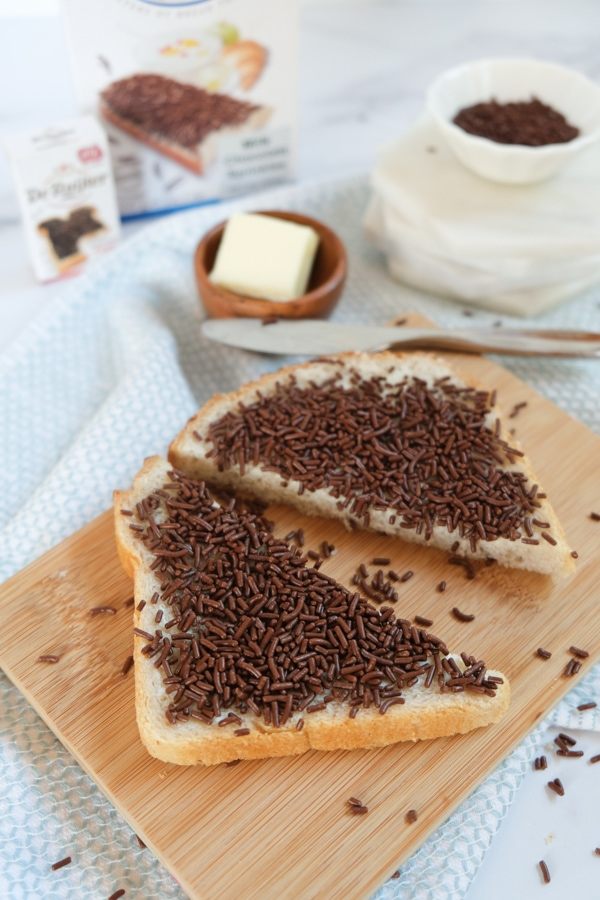
No discussion of Dutch chocolate would be complete without hagelslag, the chocolate sprinkles that Dutch people happily eat on buttered bread for breakfast or lunch. What began as a simple confection in the early 20th century has become a cultural phenomenon, available in every supermarket in varieties ranging from milk and dark to extra-pure cacao. For many Dutch families, hagelslag isn’t just a treat — it’s part of everyday life, a small, sweet reminder of the country’s deep connection to chocolate.
Together, Verkade, Droste, and hagelslag show how chocolate in the Netherlands isn’t so much about luxury or craftsmanship, but is also about tradition, comfort, and daily joy — a uniquely Dutch blend of industry and sweetness.
Dutch Cocoa
“Dutch cocoa” refers to cacao processed using the method introduced by Coenraad van Houten, who developed a technique for pressing and alkalizing cacao to create smoother cocoa powder. This innovation established the Netherlands as a global center for cacao processing, with Amsterdam becoming Europe’s largest cacao port. Much of this cacao was refined in the Zaanstreek, an industrial hub powered by over 600 windmills that facilitated grinding and milling. Together, Amsterdam’s trade dominance and Zaanstreek’s innovations made “Dutch cocoa” synonymous with efficiency, consistency, and advanced chocolate technology.
Planning your visit to Amsterdam
• Best time to go:
Autumn and winter are ideal — cool weather makes tastings richer and more enjoyable.
• Combine chocolate with history:
Explore the old trading districts around the canals, where cacao once entered the city.
• Don’t miss the Zaanstreek:
An easy half-day trip where windmills once ground cacao for the entire world.
• Book ahead:
Workshops, tastings, and small artisanal shops often require reservations.
• Bring a small bag:
You’ll want room for bonbons, pralines, and specialty cacao bars — especially from local makers.
• Pair chocolate with drinks:
Many cafés offer pairings with coffee, tea, or even Dutch spirits for a deeper flavor experience.
• Go with a guide:
A guided experience brings together history, trade, tasting, and hidden artisan spots you’d never find on your own
Last but not least, check out the famous Tony Chocolonely Store in Amsterdam.
Discover more Amsterdam insights in my Amsterdam guide.
Written by Ralph Deckers
Local Amsterdam Guide & Historian – Dutch Cultural Journeys