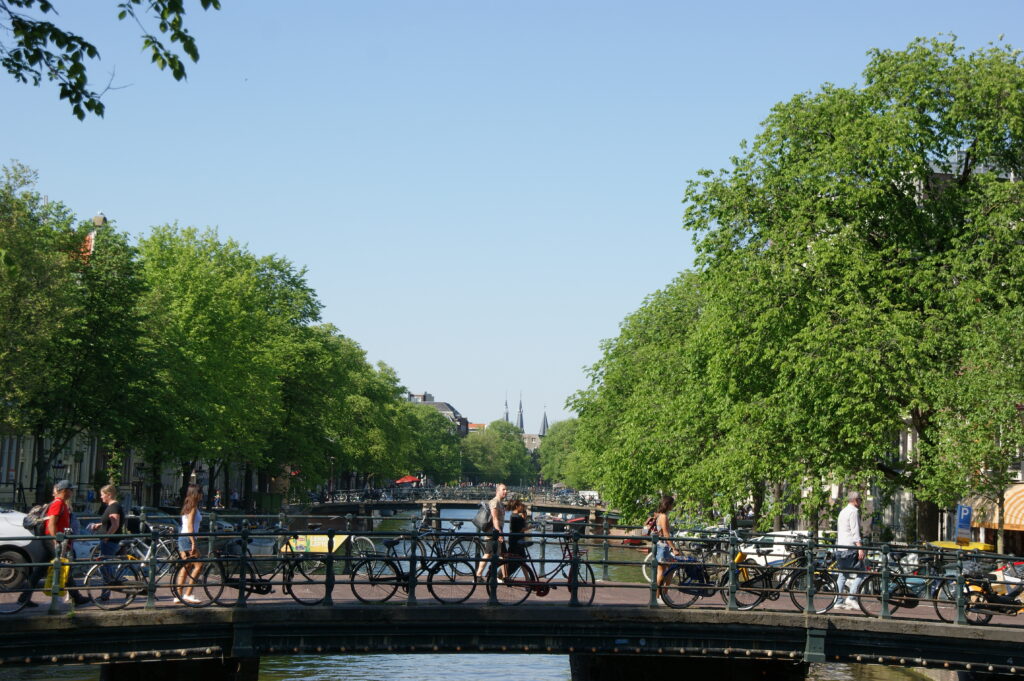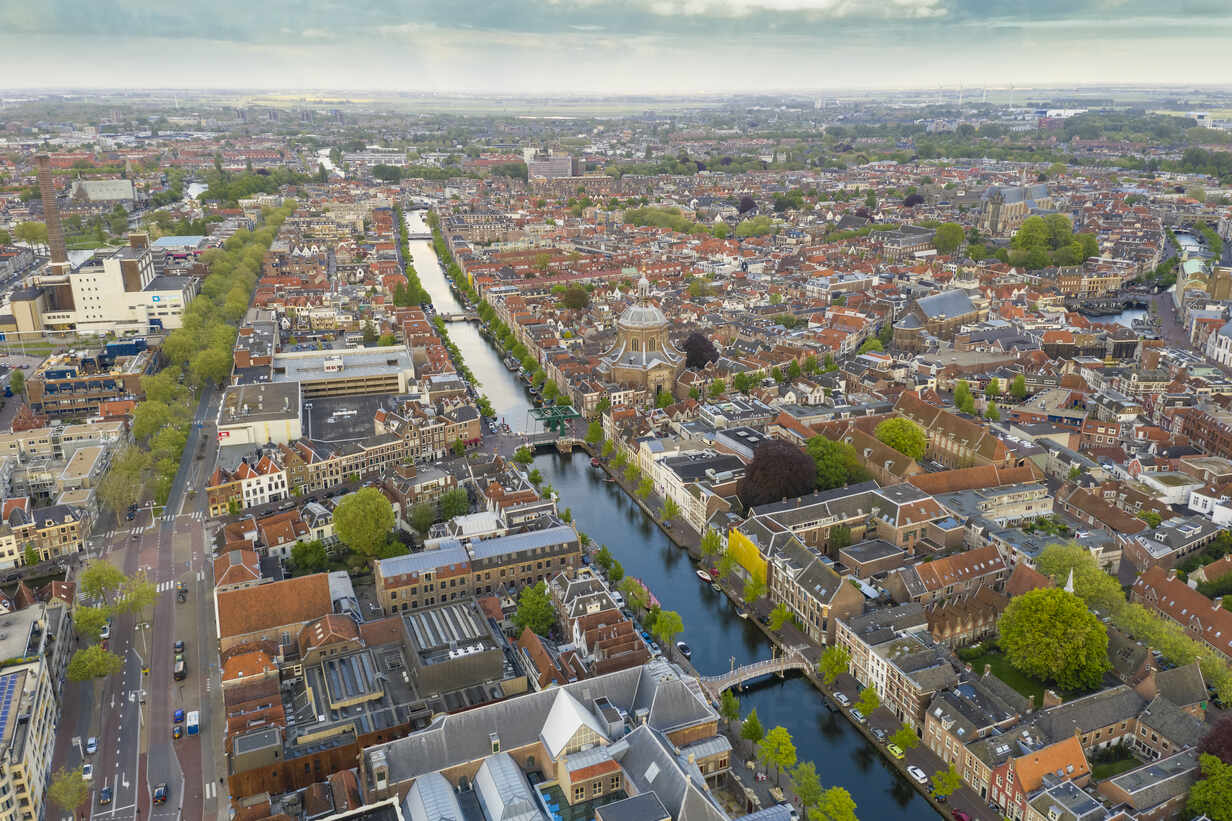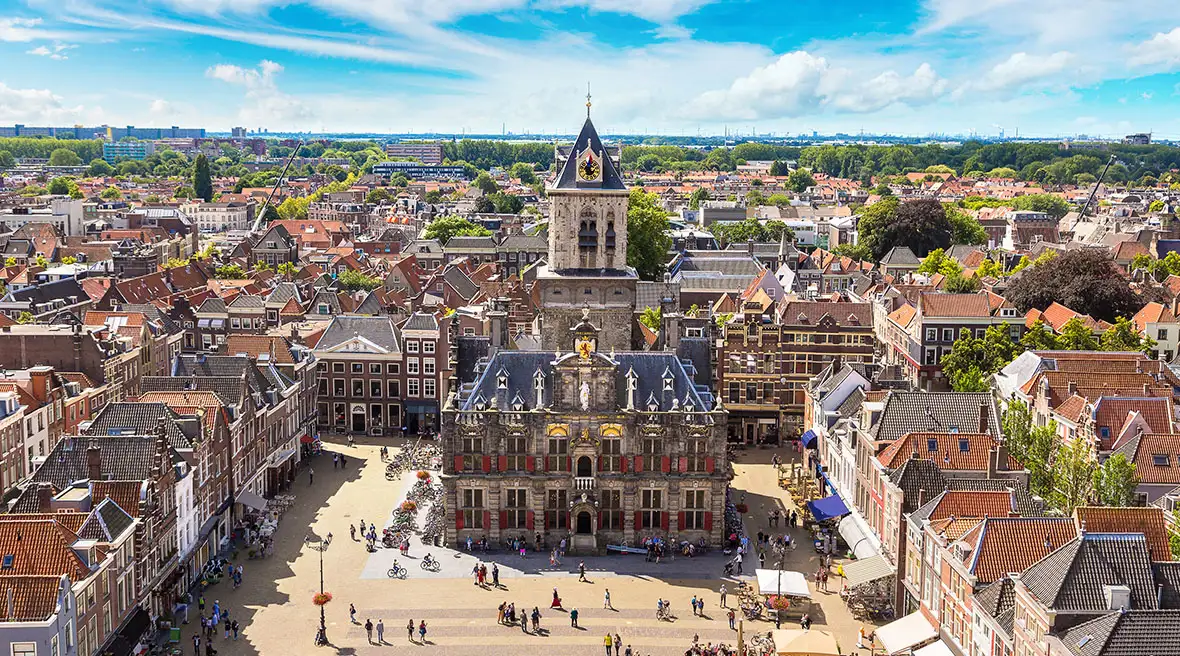

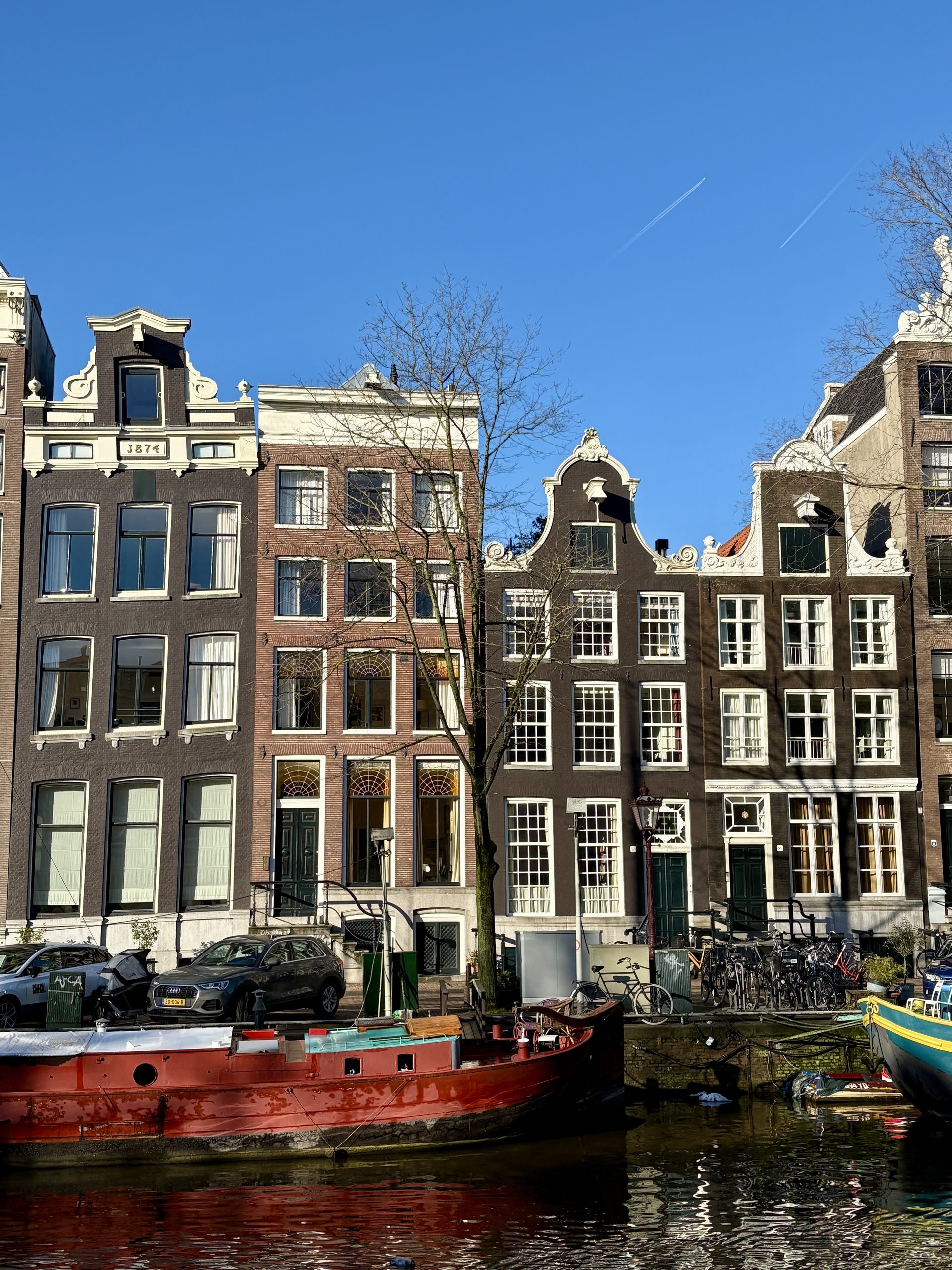
Walk through any Dutch town, and you’ll soon notice you’re looking straight into someone’s private life. Try not to stare for too long, since that’s considered rude, although no one will tell you that.
This is just one out of the -many- unwritten rules of Dutch society. The Dutch will find it ongezellig if a home in their street has their curtains closed or to see, as soon as they cross the border into Belgium or Germany closed, dark homes, locked off from the public space.
The Dutch hate it if there is no cozy living room light visible from the street, when there is no one visibly present in town, no one you could potentially greet, even though we would never greet someone through their windows, since that would also be considered an intrusion into someone’s private life. But the fact that even the opportunity to potentially have contact with someone, that everyone blocks him or herself off willingly, away from society, is offensive to the Dutch.
So if you’re new here and you live in the Netherlands: Open your curtains to the outside world!
Precious Light
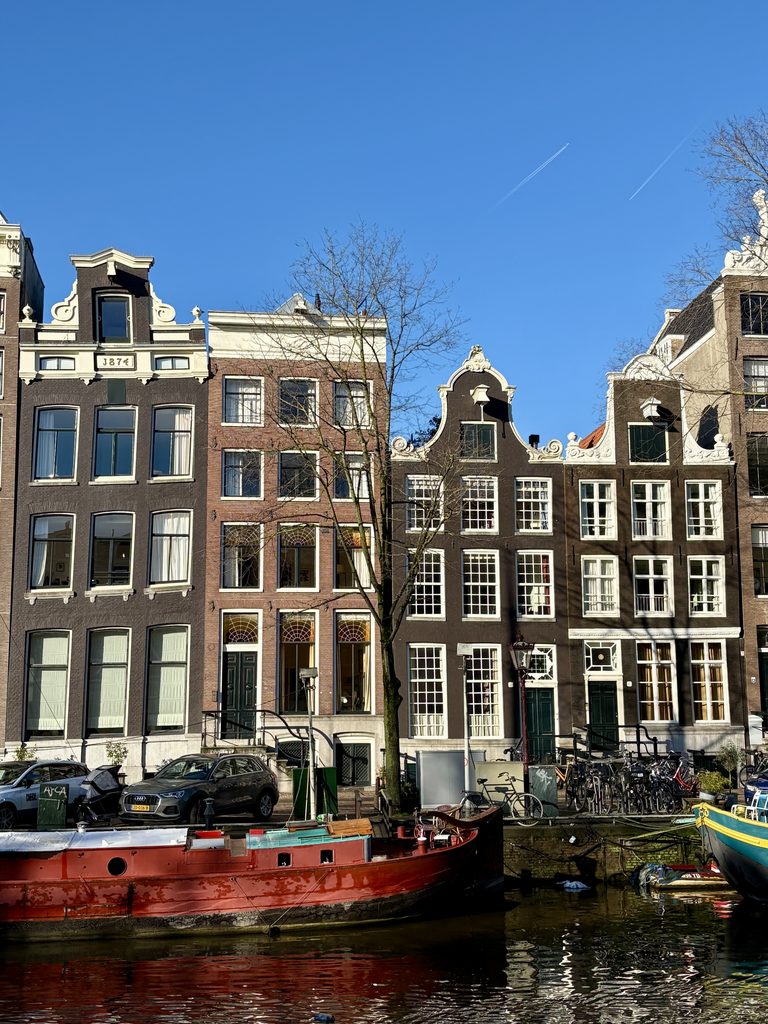
If you’ve ever been to the Netherlands, you will have realised at that light is precious. The Netherlands is relatively far north, so daylight is limited, especially in winter. Before electric lighting, large windows were one of the best ways to bring useful daylight indoors. The large open windows were an answer to the very deep and narrow canal houses. Which in their turn were mostly the result of the way houses were taxed: according to their width.
So the wider the house, the more tax you had to pay. The Dutch merchant’s response? Built a narrow, but very deep house. I hope you’ll one day have the opportunity to visit a canalhouse -grachtenhuis-, because it will make you wonder how the tallest people in the world have actually managed to live with these incredible steep staircases. But a narrow deep house, naturally lacks sunlight. There was no way to get sunlight in the middle of the building, since a window in the middle would make you look straight into the neighbors’ house. Which in fact, is what we do nowadays nonetheless, but then from the street. At least with your neighbors, you’d know eachother, but it would not help to bring in extra sunlight, just more awkwardness.
The tall, narrow houses were one reason to have large, open windows. The front rooms will get daylight, but the deeper parts of the house can become quite dark. Large windows on the facade helped maximize the available light.
The Dutch became very good at using it: Glass
This is one of the more interesting historical reasons. In the 17th century, the Dutch Republic became extremely wealthy through trade, with Amsterdam leading the way. It must be noted that most of the wealth was concentrated in a small group of people, however the concentration of economic activity did provide jobs for many, but the many stayed poor nonetheless. This said, wealthy merchants could afford considerably more glass than ordinary Europeans.
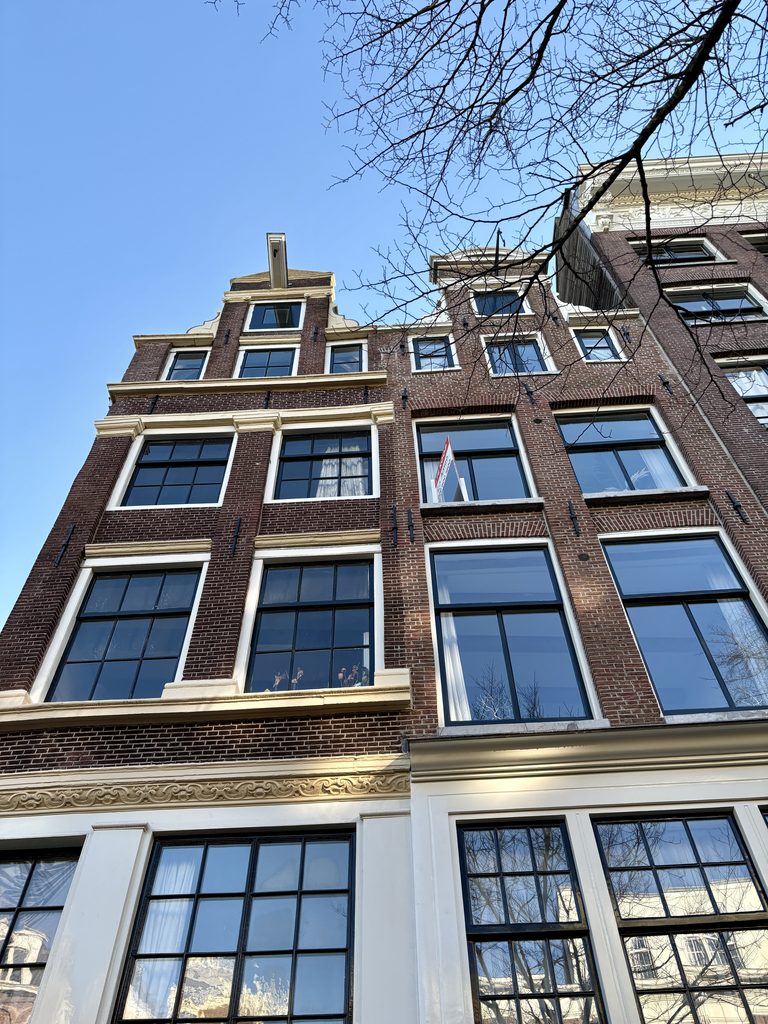
At the same time, Dutch buildings increasingly incorporated large areas of window glass. So large windows became a combination of: Wealth + Technology + Fashion + Practicality.
A big glazed facade was partly a way of showing that you could afford it. It was the golden chain around a famous’ rappers neck, The 17th century equivalent of buying a ferrari.
Mind You
Even though it’s an everyday product, producing glass involves quite a few steps, and there’s a huge difference in levels of quality and type of glass. So, for a 17th-century Amsterdam window, a simplified supply chain would be: local/regional sand + imported soda-rich plant ash (Southern Europe) + lime/calcium-containing material from Limburg & Gelderland → Amsterdam glasshouse like ‘de Twee Rozen’ → furnace → molten glass → window pane.
Amsterdam could therefore manufacture the glass locally while relying heavily on international trade for crucial raw materials and expertise. The Dutch Republic’s glass industry was real and significant, but it existed alongside a substantial international trade in finished glass.
The traditional explanation
You’ve probably heard the idea that Dutch people historically left their curtains open because they had “nothing to hide.” The ‘newly’ (late 1500s) found Dutch Republic juxtaposed everything which was catholic, it’s religious principles mostly based on the learnings of Johannes Calvijn from Switzerland. Part of his teachings were based on the idea that if you live an honest life, you will be judged by god, and by no one else. In the traditional explanation the large open windows -i.e. being able to see what people are having for diner- are a result of this cultural trade. The Dutch wanted to show they’re living an honest life, and have got nothing to hide.
There’s some truth to this cultural association, but it can’t clarify this culture completely.
In a traditional Dutch home, the large windows also had a practical social function: you could see what was happening outside, and neighbors could see into the front room. Dutch urban life was highly social and communal. The front room effectively formed a visual connection between house and street.
But the idea that Dutch people deliberately built giant windows because they wanted everyone to see that they weren’t criminals is more folklore than established historical fact.
Protestant culture
After the Reformation, especially in the Dutch Republic, there was a cultural preference for simplicity, cleanliness and sobriety in interiors compared with the elaborate Catholic interiors of earlier centuries. We have many accounts of travelers visiting the Dutch Republic, describing how everyone’s obsessed with keeping their homes clean -and always mentioning the terrible smell of the water in the canals for the record.-
This longing for simplicity and cleanliness is reinforced by many images which have survived the test of time. The famous Dutch Golden Age paintings reinforce this: bright interiors, windows, clean rooms, domestic life. Artists such as Vermeer exploited precisely this kind of architecture.
So why do the Dutch have large open windows?
It’s not simply because John Calvin told everyone to live an honest life. It’s a combination of natural, historical & cultural developments, the most important being that there’s a lack of sunlight in these parts for the majority of the year. Natural light is simply highly valued.
As soon as spring hits you’ll see Dutch people trying to soak up every second of sunlight they can get their hands on and wear shorts and a t-shirt even though it’s still cold outside.
By the late 1500s the level of wealth grew so exponentially, that the industry of glass boomed and the Dutch became very good at using this material. The tax law according to the width of the house resulted in building narrow & deep houses.
Daylight reduces the need for artificial lighting, which meant buying less candles.
Nowadays there still is a strong cultural preference for bright interiors. So the traditional Dutch window wasn’t simply a matter of aesthetics. It developed from a combination of northern light conditions, narrow urban architecture, increasing wealth, glass technology and Dutch social culture.
Amsterdam is probably the most extreme example of all of these factors coming together.
So whenever Dutch people travel, they hate it when they can’t look into someone’s house. It’s just very ongezellig, or uninviting to us. We feel like we aren’t welcome as a visitor. But please, try and not stare into our homes when you pass. A quick glance is okay, but no more than that. Definitely do not stand still and stare.
I believe the Netherlands is the exception to the rule: having seen a fair share of the globe I believe most cultures close their homes / windows to the outside world. In places where it’s hot throughout the year, windows are small, walls are thick. The same goes where it’s cold most time of the year. In other places, people can’t afford glass windows.
But as is the case with many myths, there’s more to it then the eye could see 😉
Amsterdam Free Family Fun
Why do the Dutch have so many large, open windows?
Walk through any Dutch town, and you’ll soon notice you’re looking straight into someone’s private…
8 Amazing Reasons Luxembourg Will Surprise You
Not many travelers from outside of Europe make to it to this tiny country, the…
Amsterdam’s 5 Best Dutch pubs
We all know the Dutch concept of Gezellig & Gezelligheid, don’t we? It’s an interesting…
Amsterdam’s Nr. 1 Chocolate Story: How the Dutch Shaped the World’s Sweet Tooth